
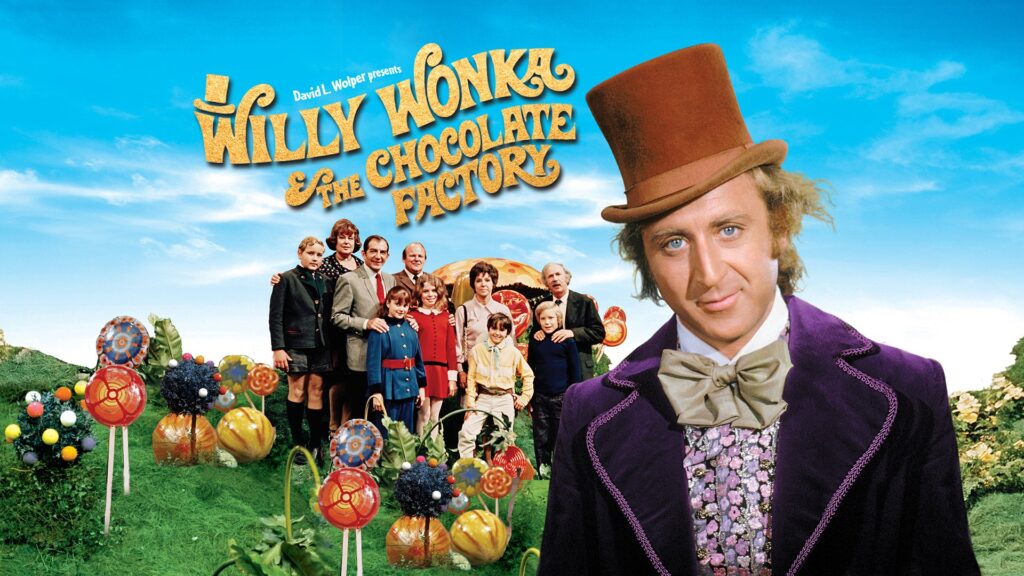
Yes, a real‑world “Wonka” could absolutely face serious exposure for false advertising, fraud, and related consumer‑protection violations, even before getting to the injury/child‑endangerment side of things.
Key legal theories
- False advertising / deceptive trade practices
Modern contest/sweepstakes law requires that promotions be truthful, clearly disclose all material terms, and award prizes as advertised.
Advertising “five winners get X prize package” and then silently structuring things so only one gets the real prize would be a textbook “misrepresentation of a material fact” under FTC‑style unfair and deceptive practices statutes. - Promotion rules as a contract
The “official rules” of a contest form a unilateral contract between the sponsor and participants: you perform (buy the bar/find the ticket) and, if you win, the sponsor must deliver exactly what the rules promised.
Once a promotion starts, rules generally cannot be materially changed against the entrants’ interests; changing prize structure or reducing winners after the fact can both breach that contract and constitute deception.
What Wonka did that looks illegal
Assuming the movie’s setup transplanted into modern U.S. law:
- Changing the deal on arrival
If the public advertising represented that the five ticket‑finders would each receive a fixed prize package (e.g., a lifetime supply of chocolate, a tour, cash, etc.) and instead they were effectively thrust into an undisclosed elimination test where only one got the real prize (control of the factory), that is:- A failure to disclose material conditions up front (deception).
- A unilateral, post‑launch change to contest rules (breach + deceptive practice).
- Collecting money on a rigged or undisclosed structure
The promotion is tied to product purchases, so millions of people are buying bars partly because they believe (a) there are five equivalent “grand prizes” and (b) the odds are what the ads imply. If, instead, the plan from the start is that only one child will get the real prize and the other “prizes” are illusory or conditional, regulators often treat this as a deceptive sweepstakes or even an illegal lottery if the elements of prize, chance, and consideration are present without proper compliance. - No free method of entry / targeting kids
In multiple jurisdictions, requiring a purchase to enter a prize drawing triggers strict lottery/ gambling rules and consumer‑protection scrutiny, especially when marketing to children; U.S. guidance pushes hard on “no purchase necessary” and clear disclosures. Wonka’s design (must buy chocolate to have a chance, aimed squarely at kids) would be a regulatory magnet.
Could the other children sue?
Yes, in a real system, they would have several plausible civil claims, even setting aside injuries in the factory:
- Breach of contract (contest rules)
- Theory: “I complied with the published contest terms, became a winner, and you did not give me the promised prize as advertised.”
- If the prize was described as something like “a lifetime supply of chocolate and a tour of the factory” for each Golden Ticket holder, then trying to retroactively condition the prize on perfect behavior, survival, or moral testing that wasn’t disclosed would be a breach.
- Courts often hold sponsors strictly to the prize description; substitutions or reductions are only tolerated when the rules clearly reserve that right and any change is genuinely comparable and not misleading.
- Fraud/misrepresentation
- If Wonka intended from the outset that the contest was merely a device to select one heir and that the other four “winners” would never get the full advertised benefits, that supports a claim of intentional fraud: knowing misrepresentation to induce purchases/participation.
- Fraud claims can seek both compensatory damages (money spent, reliance harm) and sometimes punitive damages, especially where there is a pattern of deceptive promotions.
- Unfair and deceptive acts and practices (UDAP) / false advertising statutes
- State attorneys general and the FTC routinely go after fake or misleading prize promotions and can obtain injunctions, restitution, and civil penalties.
- Private plaintiffs often piggyback on those theories under state consumer‑protection laws, suing over misrepresented odds, prizes, or undisclosed conditions.
In other words, yes: the four “loser” kids (or their parents) would have colorable claims that they relied on a particular advertised prize structure and were unlawfully bait‑and‑switched.
“But the fine print said…”?
A savvy corporate lawyer would try to draft rules with things like:
- “Sponsor may substitute prizes of equal or greater value, in Sponsor’s sole discretion.”
- “Sponsor reserves the right to terminate or modify the promotion if fraud, technical failures, or other causes beyond Sponsor’s control affect the integrity of the promotion.
But even robust fine print cannot cure outright deception in headline advertising; material terms and conditions must be disclosed clearly and prominently. If the net impression to an ordinary consumer is “five grand prizes,” the sponsor cannot then say “surprise, only one of you ever had a real chance.”
Also, rules targeting or heavily involving minors get extra scrutiny: children are considered less capable of understanding fine print, so regulators and courts are less forgiving of clever legal caveats in kid‑directed promotions.
Real‑world bottom line
Transposed into modern law:
- The golden‑ticket campaign would very likely violate contest/sweepstakes standards (no purchase necessary, clarity of odds and prizes, consistency between rules and advertising).
- The four non‑winning children could plausibly sue for breach of the promotional “contract,” false advertising, and fraud, and regulators could bring enforcement actions.
- On top of that, Wonka would almost certainly be hammered for negligence and premises liability for the various “accidents” during the tour; at least one real‑world defense lawyer has flagged those as strong tort claims in their own commentary on the film.
So your instinct is right: viewed through modern U.S. consumer and advertising law rather than Roald Dahl logic, Wonka’s golden ticket scheme looks not just shady, but very likely unlawful in multiple ways.