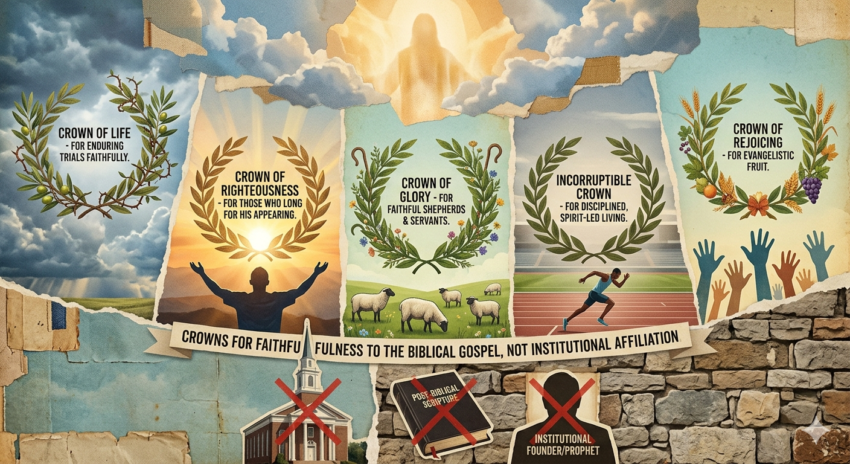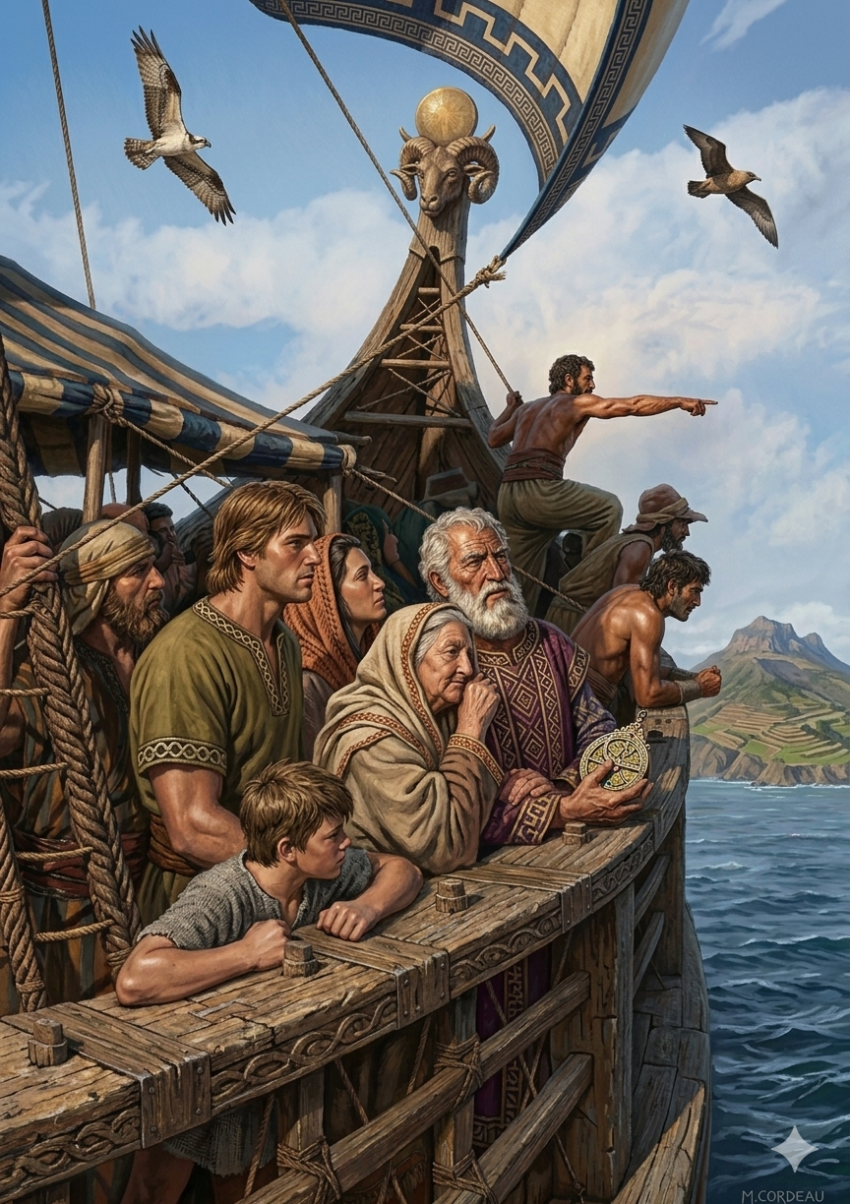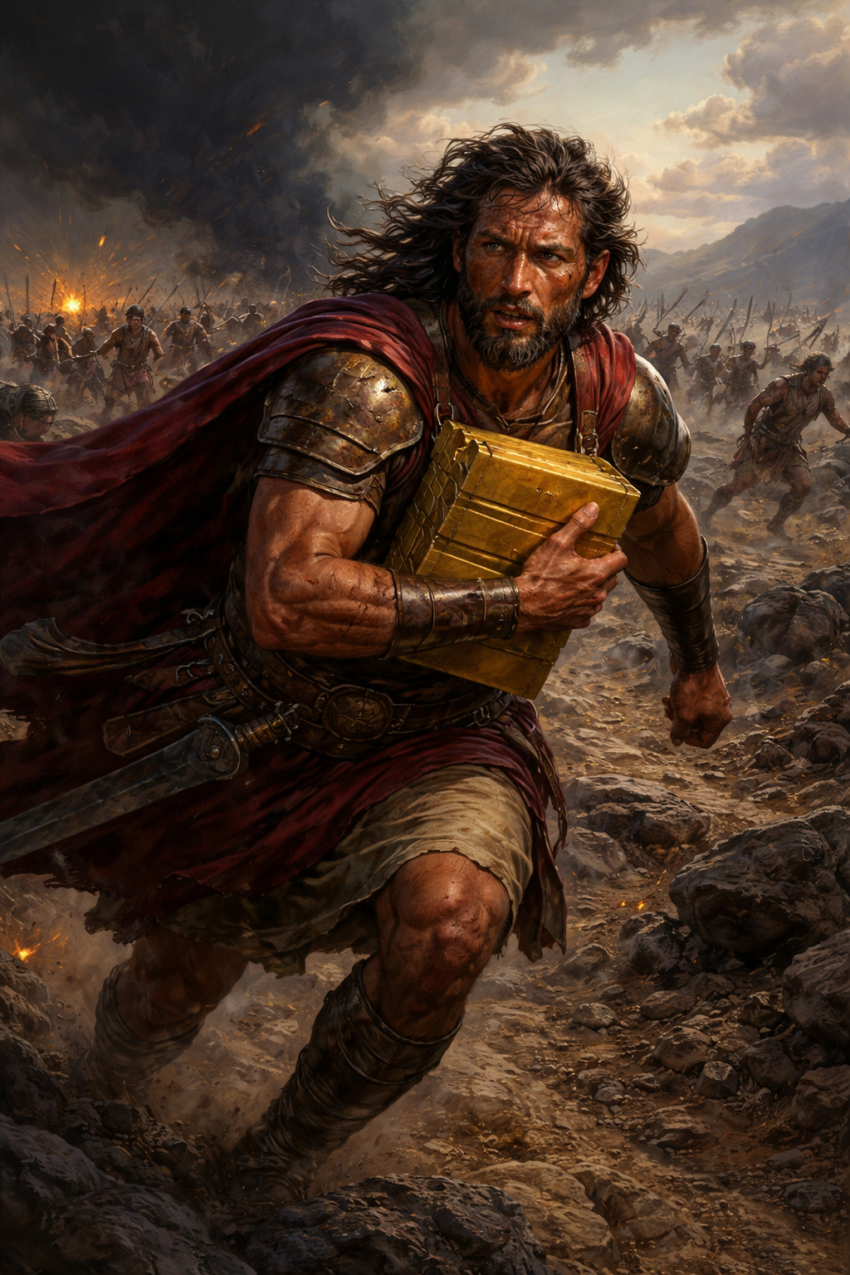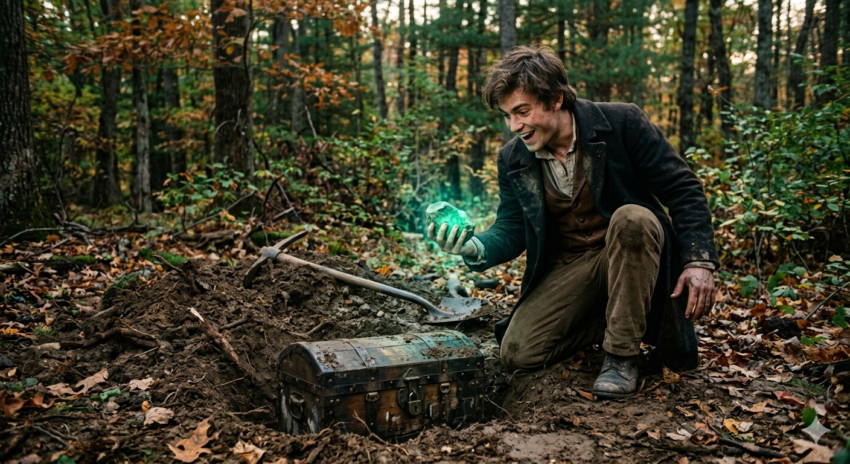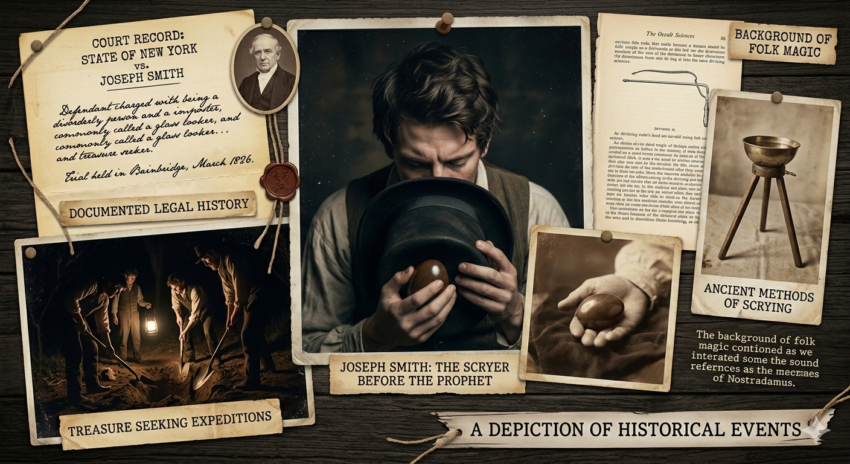
The Fabrication Question A Comprehensive Examination of Non-LDS Theories on the Origins of the Book of Mormon and the Pearl of Great Price Introduction: The Problem of Provenance Few questions in the history of American religion are more freighted with consequence than this: where did Joseph Smith get his material? The question is not merely…
Category: Book of Mormon
Rediscovering Sandra Tanner: A Voice That Changed Mormon Studies Forever
If you follow LDS apologetics or the broader conversation surrounding Mormon truth claims, the name Sandra Tanner needs no introduction. But for a new generation of seekers — active Latter-day Saints, those who have left the faith, and curious onlookers alike — her story and her legacy deserve a fresh telling. That is precisely what…
Ghosts of Babel: Why the Book of Mormon Jaredites Almost Certainly Never Existed
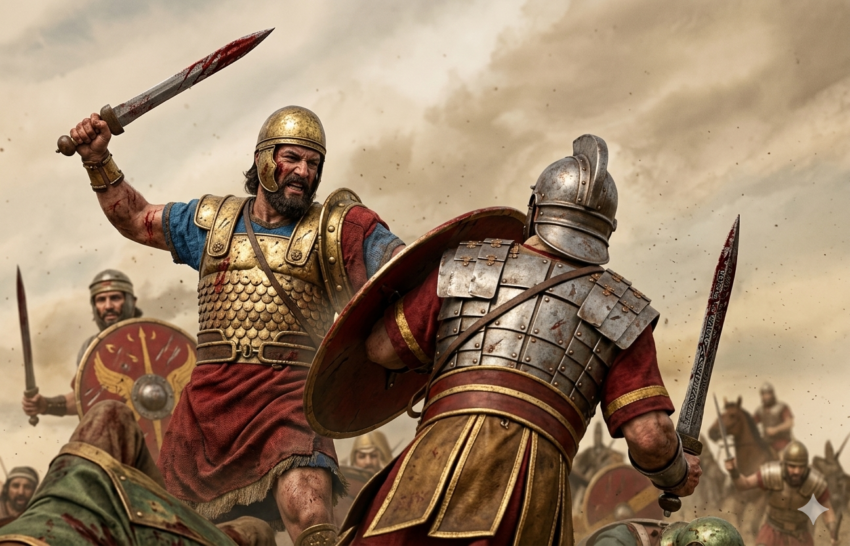
The Convenient Civilization: Why the Jaredites Fit Joseph Smith’s World, Not 2200 BC’s Introduction: A Battlefield with No Bodies Imagine a battlefield so vast, so saturated with carnage, that nearly two million people are said to have been slain by the sword—and yet not one archaeologist has ever identified a single bone, weapon, or site…
The Unraveling Faith: When Latter-day Saints Leave the Church
The Shelf: When Faith Meets Unanswered Questions For many members of the Church of Jesus Christ of Latter-day Saints (LDS Church), faith is a carefully constructed edifice. Beliefs are meticulously placed upon a mental shelf, each one bolstering the others. But what happens when troubling questions begin to accumulate, threatening the stability of the entire…
THE INVISIBLE CIVILIZATION: How the Book of Mormon Describes a World That Never Left a Trace
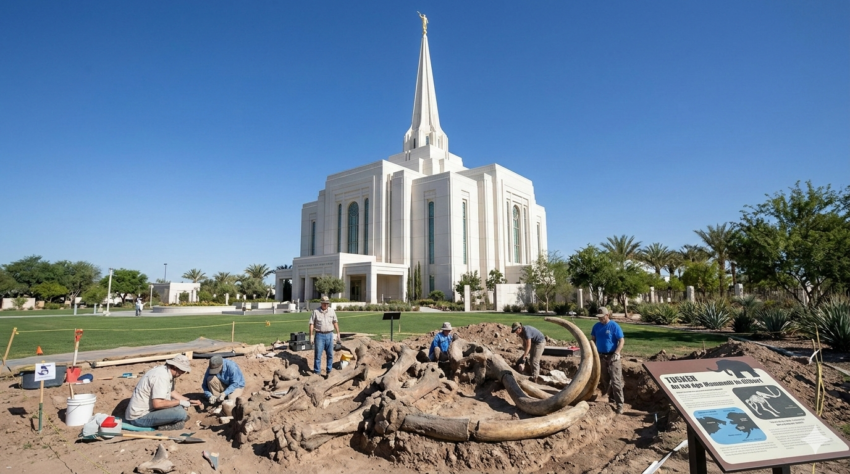
Illustration: Faith meets the fossil record. This Google Gemini AI illustration captures the introduction to the blog post, highlighting the irony of a modern religious monument standing beside a scientifically verifiable prehistoric excavation site. A Scholarly Examination of Book of Mormon Archaeology in Light of Current Evidence “Biblical archaeologists can barely keep pace with the…
Are Mormons Christian? The LDS Church Says Yes — Its Own Scriptures Say Otherwise
ChatGPT image: That awkward moment for Joseph Smith when the 116 pages of the lost manuscript comes back annotated in red ink from Heaven’s Editorial Department. Seven Doctrinal Fault Lines That Separate Mormon Theology from Historic Christian Faith Are Mormons Christians? Let us be honest from the first sentence: Mormonism is not Christianity. It is…
Lost in Translation: The Impossible Language at the Heart of Mormonism
Photo: A remarkable photo-realistic visualization of history, generated by Google Gemini. This detailed image vividly captures the introduction to the essay: a stout and earnest farmer, Martin Harris (left), having braved the bitter winter, presents mysterious ancient characters on a slip of paper to the esteemed classical scholar Professor Charles Anthon (right) at Columbia College…
The Three Heavens of Mormonism: A Beautiful Idea Built on a Broken Foundation
Photo: Behold the ultimate heavenly realm. With its gleaming white spires, peaceful waters, and crowds ascending in white gowns. This is Google Gemini’s Nano Banana Pro, imagining what The “Celestial Kingdom” might look like. THREE KINGDOMS, ONE QUESTION: What Does the Bible Teach About Heaven? A Scholarly Analysis of Latter-day Saint Afterlife Doctrine Introduction: A…
The Book of Mormon’s Missing 116 Pages
Photo: In February 1828, Martin Harris arrived in Harmony, Pennsylvania, to assist the Prophet. By June, the Prophet had translated 116 pages with Martin Harris as his scribe. Martin asked for Joseph’s permission to return to New York and show the manuscript pages to his wife, but the Lord forbade it. Because of Martin’s continual…
The Perils of Prophetic Pattern-Matching: A Response to an LDS Member on Facebook
Photo: Joseph Smith, Jeffrey Epstein, and Donald Trump walk into Mar-a-Lago. The hostess quietly asks, ‘So… is this a business meeting, a sealing, or a plea bargain?’ “The besetting sin of religious thought is not doubt but credulity — the willingness to believe what we wish were true rather than what the evidence compels us…