
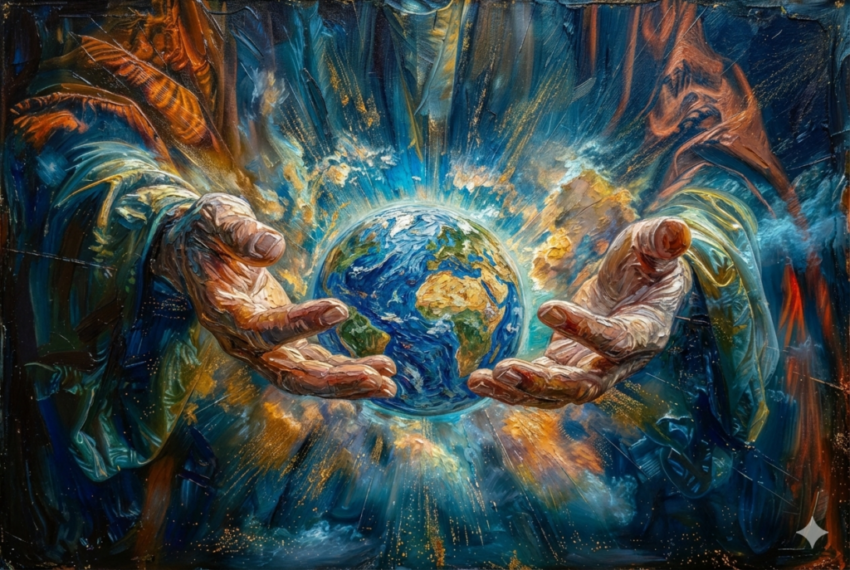
The question of why God created humanity, especially knowing humanity would fall into sin, has occupied Christian thinkers since the earliest days of the church. This inquiry touches the very heart of God’s character, His sovereign purposes, and the nature of His glory. The answer reveals not merely an intellectual puzzle to be solved, but a profound mystery that should drive us to worship.
The Priority of God’s Glory
We must begin where Scripture begins: with God’s glory as the ultimate purpose of all creation. The Westminster Shorter Catechism captures this foundational truth when it declares that “man’s chief end is to glorify God, and to enjoy him forever.” But we must press deeper — why would an all-sufficient, eternally glorious God create beings at all?
The answer lies in understanding God’s nature as inherently communicative and self-giving. God exists in eternal fellowship within the Trinity — Father, Son, and Holy Spirit — in perfect love, joy, and communion. Creation represents an overflow of this divine life, a free decision to share His goodness and beauty with creatures capable of recognizing and responding to it. God created humanity not because He needed glory, but because it is His nature to give Himself in love.
The Image of God and Human Response
When God created man “in His own image” (Genesis 1:27), He established humanity as unique among all creatures. This imago Dei means we possess rationality, moral consciousness, creativity, and most significantly, the capacity for a relationship with our Creator. We were designed as covenant partners, capable of freely choosing to love and worship God.
Here we encounter the profound mystery: God determined that His greatest glory would come not from sinless angels who never wavered, nor from creatures programmed to obey, but from fallen sinners who would be redeemed through grace. This is the “mystery of His greatness and a humbling realization” noted in our opening perspective. God’s wisdom ordained a plan where His attributes — His justice, mercy, grace, holiness, patience, and love — would be displayed most radiantly through the redemption of rebels.
The narrative unfolds like this: God creates humanity good, knowing they will fall. He permits the fall, not because He delights in sin, but because He has purposed an even greater good — the demonstration of His grace through Christ. Paul captures this in Ephesians 1:5-6, revealing that God “predestined us for adoption to himself as sons through Jesus Christ… to the praise of his glorious grace.” The fall becomes the dark backdrop against which God’s grace shines most brilliantly.
The Drawing of the Spirit and Free Response
The perspective offered emphasizes that God receives glory “from a sinful creature who would respond to His drawing through the Spirit and accept Him freely.” This highlights the mysterious interplay between divine sovereignty and human responsibility. God initiates salvation — the Spirit draws, convicts, and regenerates. Yet humans genuinely respond, making real choices that have eternal significance.
Consider these elements of this divine-human interaction:
- God’s Initiative: Before we ever sought Him, He sought us (1 John 4:19; Romans 5:8)
- The Spirit’s Work: Conviction of sin, revelation of truth, regeneration of the heart (John 16:8-11; Titus 3:5)
- Human Response: Genuine faith and repentance, freely offered, though Spirit-enabled (Acts 2:38; Ephesians 2:8-9)
- God’s Glory: Magnified through mercy shown to the undeserving (Romans 9:23)
This is not a glory extracted through divine coercion, but a glory freely given by creatures who have been rescued from darkness and now see clearly the beauty of their Savior.
The Greater Purpose: Christ and His Church
Ultimately, God’s purpose in creating humanity centers on Christ. Before the foundation of the world, God planned to display His glory through the incarnation, death, and resurrection of His Son. Humanity’s creation and fall were not accidents disrupting a divine plan, but essential components of a predetermined narrative culminating in the exaltation of Jesus Christ.
Through redemption, God is creating a people — the Church — to be Christ’s eternal bride, reflecting His glory throughout eternity. Revelation 5:9-10 captures this perfectly: redeemed humanity from every tribe and tongue singing, “Worthy are you… for you were slain, and by your blood you ransomed people for God.”
Conclusion
God created humanity knowing we would fall because He purposed something magnificent: to reveal Himself completely to His creation, thereby bringing glory to His name. Every aspect of creation — from the vastness of the cosmos to the intricate design of a single cell, from the moral law written on human hearts to the unfolding drama of redemptive history — serves as divine self-disclosure. The heavens declare God’s power and majesty (Psalm 19:1), but it is in humanity, and specifically in redeemed humanity, that God’s full character finds its clearest revelation.
Through the totality of creation and redemption, mankind comes to know God as Creator, Lawgiver, Judge, Redeemer, Father, and Friend. We learn His holiness through the law, His justice through judgment, His mercy through forgiveness, His love through the cross, and His faithfulness through His covenant promises. Each attribute revealed draws forth worship, wonder, and adoration. The entire created order becomes a theater — as Calvin described it — where God displays His glory, and humanity serves as both audience and participant in this grand revelation.
In this way, the purpose of creation comes full circle: God reveals Himself to man, and man responds by glorifying God. This is not a circular redundancy but a divine symphony — God making Himself known through all He has made, and redeemed humanity offering back the worship, love, and obedience that His self-revelation rightly demands. We are the living testimonies to God’s self-disclosure, sinners who have come to know the unknowable God through His gracious revelation, and who now spend our lives and eternity reflecting to Him the glory that belongs to Him alone. This remains the mystery that should humble us and ignite within us unending praise for the God who made all things — including us — to reveal Himself to the praise of His glorious grace.