
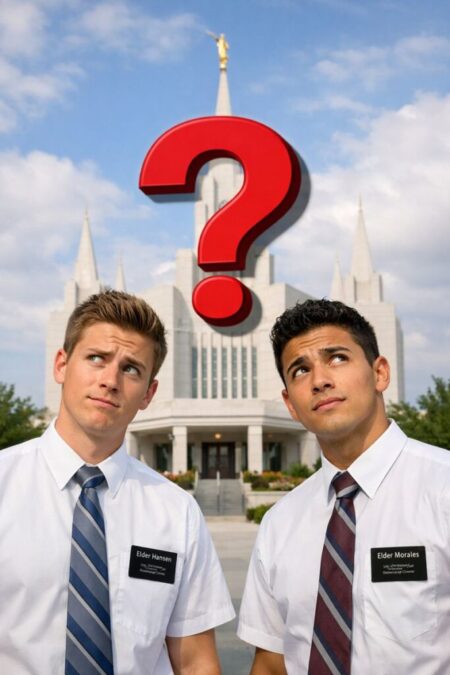
When members of the Church of Jesus Christ of Latter-day Saints and traditional Christians meet, they often discover something curious: they share much of the same vocabulary—grace, salvation, priesthood, scripture, Jesus Christ—yet mean profoundly different things by these words. This disconnect raises one of the most significant questions in contemporary religious dialogue: Are Mormons Christian? The answer depends entirely on how one defines the term. This twelve-part series undertakes a careful, scholarly examination of the foundational differences between Latter-day Saint theology and historic Christian orthodoxy—from the nature of God and the identity of Christ to the meaning of salvation and the authority of scripture.
Rather than offering dismissive polemic or superficial comparison, each installment engages LDS teaching on its own terms while measuring it against two millennia of biblical interpretation, creedal Christianity, and patristic witness. Whether you’re a pastor preparing for meaningful conversations, a Latter-day Saint examining your tradition’s distinctive claims, or simply someone seeking theological clarity on questions that matter eternally, this series invites you into an honest exploration of where these two traditions converge in language—and diverge in substance.
Feel free to compare notes…
Testing the LDS Historical Claims: A Theological Perspective
What happens when foundational religious claims are examined through the lens of historical evidence and biblical scholarship?
This groundbreaking comparative theological analysis investigates the two pillars of Latter-day Saint faith: the Book of Mormon’s claim to ancient American authorship and Joseph Smith’s First Vision accounts. Drawing on primary LDS sources, archaeological research, DNA studies, linguistic analysis, and contemporary biblical scholarship, this study offers readers a thorough examination of how these claims measure against historic Christian orthodoxy.
Rather than dismissive polemic, this work engages LDS theology on its own terms while applying rigorous scholarly scrutiny. Readers will discover how DNA evidence, archaeological findings, and textual analysis intersect with questions of faith. The examination of multiple First Vision accounts—revealing significant variations across different tellings—provides essential context for understanding how these foundational narratives developed over time.
Central to this analysis is the contrast between Christianity’s commitment to publicly verifiable historical events and Mormonism’s emphasis on subjective spiritual confirmation. This epistemological divide carries profound implications for understanding truth, scripture, and salvation.
Written with both clarity and charity, this resource equips Christians for meaningful dialogue with Latter-day Saint friends and neighbors. It addresses the theological differences that matter while maintaining respect for sincere seekers of truth.
Whether you’re a pastor, apologist, student of comparative religion, or simply curious about Mormon-Christian distinctions, this scholarly yet accessible work illuminates why these historical questions remain central to the conversation about faith.
A Comparative Theological Analysis of Latter-day Saint and Historic Christian Eschatology
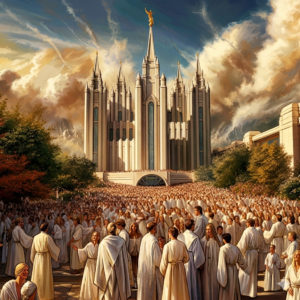 What happens at the end of all things? Where will Christ return, and what awaits us beyond the grave? These questions have shaped Christian hope for two millennia—yet the answers given by Latter-day Saints and historic Christianity diverge dramatically.
This scholarly yet accessible study examines two of the most striking differences between LDS and traditional Christian eschatology: the belief that Christ will return to reign from a New Jerusalem built in Independence, Missouri, and the doctrine of multiple post-mortal kingdoms of glory rather than the classical binary of heaven and hell.
Through careful engagement with LDS scripture, apostolic teachings, and official Church materials alongside biblical texts and creedal Christianity, this analysis reveals how these differences reflect fundamentally divergent understandings of revelation, Scripture, salvation, and divine judgment. Readers will discover how Missouri became sacred geography in LDS thought, why the three-kingdom system transforms traditional concepts of salvation and damnation, and what these teachings mean for everyday faith and practice.
Written with charity toward Latter-day Saints while maintaining scholarly rigor, this work serves both Christians seeking to understand their LDS neighbors and anyone wrestling with competing truth claims about humanity’s ultimate destiny. Rather than caricature, readers will find an honest presentation of LDS eschatology as an internally coherent system—followed by a thoughtful response explaining why historic Christianity cannot embrace these distinctives as legitimate biblical developments.
Whether you’re preparing for conversations with missionaries, deepening your own theological understanding, or simply curious about how two traditions answer life’s ultimate questions, this comparative analysis illuminates the profound differences that shape how millions understand their eternal hope.
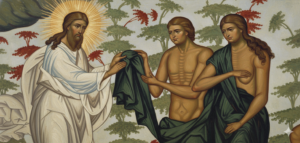 What happens when two religious traditions share similar practices but diverge fundamentally in their understanding of salvation? This scholarly examination explores one of the most significant theological divides between Latter-day Saint teaching and historic Christianity: the role of ordinances in achieving eternal life.
Drawing from LDS canonical sources, prophetic statements, and official Church publications alongside biblical texts, Reformation confessions, and patristic writings, this analysis examines how different foundations of authority produce radically different answers to the most important spiritual question: How does God’s saving work reach His people?
For Latter-day Saints, baptism by proper priesthood authority is essential for entering the celestial kingdom, while temple garments provide covenantal protection for the faithful. For historic Christianity, salvation comes by grace through faith, with baptism serving as a sign and seal rather than a saving mechanism.
This study engages critical test cases—including the thief on the cross and the biblical “armor of God”—to illuminate how these traditions understand grace, ordinances, and assurance. Readers will encounter fair presentations of LDS teaching alongside careful biblical analysis, historical context on the origins of temple garments, and thoughtful examination of what these differences mean for both theology and daily discipleship.
Whether you’re a Christian seeking to understand LDS beliefs, a Latter-day Saint exploring theological questions, or simply someone interested in comparative religion, this irenic yet candid examination offers clarity on matters that touch the very heart of soteriology.
 What happens to marriage in eternity? This penetrating theological study examines one of the most significant doctrinal divides between Latter-day Saints and orthodox Christian faith: the nature and purpose of marriage and family.
Drawing from primary LDS sources, Scripture, and scholarly analysis, this work explores how two traditions claiming Christian heritage arrive at dramatically different conclusions about marriage’s eternal significance. One tradition teaches that temple marriage is essential for the highest salvation; the other holds that resurrection transcends earthly marital bonds entirely.
At the heart of this examination lies a careful exegesis of Jesus’ teaching in Matthew 22:30, where He declares that the resurrected “neither marry nor are given in marriage, but are like angels in heaven.” The author demonstrates why common LDS interpretive strategies cannot sustain the weight they’re asked to bear, while presenting the orthodox Christian understanding with clarity and biblical precision.
This analysis probes the foundational assumptions driving each position: differing views of Scripture’s authority, the nature of salvation, and humanity’s ultimate destiny. Readers will discover how celestial marriage functions within LDS soteriology as a prerequisite for exaltation—and why historic Christianity sees this as a departure from the gospel of grace.
Written with scholarly rigor yet pastoral warmth, this study equips Christians to engage thoughtfully with Latter-day Saint friends and neighbors while offering LDS readers an invitation to examine these claims against Scripture’s testimony. Essential reading for anyone navigating Mormon-Christian dialogue.
A Systematic Examination of Latter-day Saint Anthropology Versus Orthodox Christian Doctrine
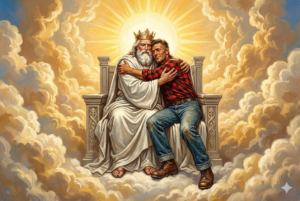 What does it mean to be human in relation to God? This foundational question lies at the heart of one of Christianity’s most significant theological debates.
In this scholarly work, the reader is offered a careful, even-handed examination of the fundamental differences between Latter-day Saint theology and historic Christian orthodoxy regarding the nature of God, the essence of humanity, and the relationship between Creator and creature.
Drawing from official LDS scriptures, manuals, and prophetic statements alongside biblical texts, Church Fathers, and two millennia of Christian theological reflection, this analysis reveals how these two traditions operate from fundamentally different metaphysical foundations. From the LDS doctrine of pre-existence and divine parentage to the Christian affirmation of creation ex nihilo, from the concept of eternal uncreated intelligence to the historic doctrine of divine aseity, the differences examined here are not merely matters of emphasis—they represent incompatible understandings of ultimate reality.
Readers will discover thoughtful engagement with questions that matter supremely: Can humans become gods? Was God once a man? Does something within us exist eternally independent of God? What are the implications for the gospel, salvation, and worship?
Written with scholarly precision but accessible to thoughtful readers of any background, this work serves those seeking theological clarity on one of the most important religious conversations of our time. Whether you’re a Christian seeking to understand LDS beliefs, a Latter-day Saint examining your faith’s foundations, or simply someone pursuing truth, this examination provides essential insight into questions upon which eternal realities depend.
A Systematic Examination of LDS Priesthood Theology in Light of Orthodox Christian Doctrine
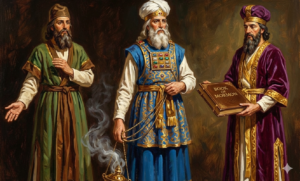 What happens when you place one of Mormonism’s most distinctive claims under the lens of careful biblical scholarship? This compelling theological study takes readers on a rigorous journey through the contested terrain of priesthood authority—a doctrine that fundamentally separates the Church of Jesus Christ of Latter-day Saints from historic Christianity.
Drawing from Scripture, early Church Fathers, and official LDS teaching materials, this examination explores the Latter-day Saint belief in two restored priesthoods—Aaronic and Melchizedek—and evaluates these claims against the witness of the New Testament book of Hebrews. The analysis reveals a striking contrast: where LDS theology distributes priesthood authority among ordinary men through ecclesiastical ordination, the biblical text presents Christ alone as the eternal High Priest whose once-for-all sacrifice rendered the old system obsolete.
Readers will discover why the qualifications for the Melchizedek priesthood belong exclusively to Christ, how the New Testament doctrine of the “priesthood of all believers” offers every Christian direct access to God, and what historical evidence reveals about the timeline of Joseph Smith’s restoration claims.
Written with scholarly precision yet accessible language, this work serves both those seeking to understand the theological divide between Mormonism and orthodox Christianity and believers wanting to articulate the sufficiency of Christ’s finished work. Whether you’re engaged in comparative religion, apologetics, or personal faith formation, this study equips you with the biblical and historical tools to navigate one of American religion’s most significant theological conversations.
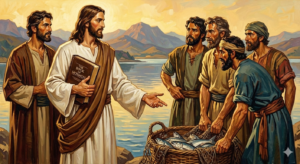 What do we mean when we speak of biblical authority? And what happens when a religious movement claims Scripture is insufficient?
Scripture and Authority offers a rigorous yet accessible examination of one of Christianity’s most consequential theological debates: the competing claims of Latter-day Saint theology and historic Christian orthodoxy regarding the Bible, divine revelation, and church continuity.
This comprehensive study explores the foundational differences between an “open canon” worldview—which holds that Scripture requires ongoing supplementation—and the orthodox Christian conviction that God’s word has been definitively given and providentially preserved. Drawing from biblical texts, patristic writings, and LDS sources themselves, the author carefully analyzes claims about biblical corruption, the “Great Apostasy,” and the necessity of nineteenth-century restoration.
Readers will discover thoughtful responses to challenging questions: Did essential Christian truths vanish for eighteen centuries? Does the Bible’s message require rescue by additional scriptures? What do Christ’s own promises about His church mean for apostasy claims?
Written with scholarly precision and pastoral concern, this work avoids caricature while presenting a compelling case for biblical sufficiency. The author engages LDS apologists directly, examines their arguments fairly, and demonstrates why historic Christianity—Catholic, Orthodox, and Protestant alike—has consistently affirmed that the faith was “once for all delivered to the saints.”
Whether you’re a believer seeking deeper understanding, a student of comparative theology, or someone exploring Mormon-Christian dialogue, this essential resource provides tools for discerning truth amid competing claims about God’s revelation.
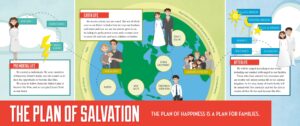 What does it truly mean to be saved? This penetrating theological study explores one of Christianity’s most pressing questions by examining how the Church of Jesus Christ of Latter-day Saints answers it—and why that answer differs fundamentally from historic Christian teaching.
Drawing from Scripture, official LDS publications, and statements from church leadership, this work provides a rigorous yet accessible comparison of two competing visions of salvation. At the heart of the analysis lies a deceptively simple phrase: “after all we can do.” Does grace come before human effort or after it? The answer shapes everything—from daily spiritual practice to eternal destiny.
Readers will discover how concepts like grace, faith, and atonement carry vastly different meanings across these traditions. The post examines LDS teachings on temple ordinances, baptism for the dead, and the three degrees of glory, contrasting them with the biblical framework of salvation by grace through faith alone.
Written with scholarly precision and pastoral concern, this study equips Christians to understand and thoughtfully engage with LDS theology while articulating the distinctive claims of orthodox Christianity. It addresses sincere seekers navigating between traditions and believers seeking clarity on essential gospel truths.
Neither dismissive nor combative, this work demonstrates that the differences between these worldviews are not peripheral matters of emphasis but fundamental questions about how sinful humanity can stand righteous before a holy God.
Essential reading for anyone pursuing theological clarity on salvation’s most consequential questions.
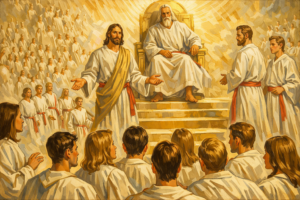 What happens when two religious traditions share vocabulary but inhabit entirely different theological universes? The Unbridgeable Divide offers a rigorous yet accessible examination of the fundamental differences between Latter-day Saint cosmology and historic Christian doctrine.
This scholarly work explores three critical areas where LDS theology diverges from orthodox Christianity: the pre-mortal existence of human souls, the nature of matter and creation, and the character of God Himself. Drawing from Scripture, patristic sources, and official LDS teachings, author Dennis Robbins demonstrates that these differences are not peripheral disagreements but touch the very foundations of how each tradition understands ultimate reality.
Readers will discover why the doctrine of creatio ex nihilo—creation from nothing—matters profoundly for understanding grace, worship, and human identity. They will explore how competing views of God’s nature shape everything from soteriology to daily spiritual practice. And they will gain clarity on why, despite surface similarities, these two systems represent fundamentally incompatible worldviews.
Written with both scholarly precision and pastoral concern, The Unbridgeable Divide equips Christians to engage thoughtfully in interfaith dialogue while holding firmly to the apostolic faith. Whether you’re a believer seeking theological grounding, a student of comparative religion, or someone navigating conversations with LDS friends and family, this post provides the clarity and depth you need to understand what’s truly at stake in these vital questions of faith.
 Why does the Church of Jesus Christ of Latter-day Saints use water instead of wine in communion when Christians have used wine for two thousand years? This compelling theological study examines one of the most distinctive differences between Mormon and traditional Christian practice.
Beginning with the historical development of the LDS sacrament—from Joseph Smith’s early wine-based observance to the nineteenth-century transition to water—this analysis traces the doctrinal justifications offered by LDS authorities while evaluating them against Scripture and church history.
Drawing from the synoptic Gospels, Paul’s instructions in 1 Corinthians, and the rich symbolism of the Passover context, the author demonstrates how Jesus intentionally chose bread and wine to represent His body and blood. The examination extends to early church witnesses, including the Didache and Justin Martyr, revealing an unbroken two-millennium consensus on the proper elements.
Beyond historical questions, this work explores deeper theological issues: What authority exists to modify what Christ Himself instituted? Does changing the elements alter the sacrament’s meaning? How does wine’s connection to blood, sacrifice, and the eschatological banquet shape our understanding of the Lord’s Supper?
Written with scholarly precision yet pastoral sensitivity, this post equips readers to engage thoughtfully with Latter-day Saint friends and neighbors. Rather than attacking sincere believers, it addresses theological claims directly, helping Christians understand both what they believe about communion and why it matters.
For anyone seeking clarity on this significant doctrinal divide, this examination provides essential biblical and historical perspective.
 Who is Jesus Christ? This question has defined Christian faith for two millennia and remains the central issue when examining whether Latter-day Saint theology aligns with historic Christianity.
The Christological Divide offers a rigorous yet accessible comparative analysis of how the LDS Church and orthodox Christianity answer this essential question. Drawing on Scripture, the ecumenical creeds, Church Fathers, and authoritative LDS sources, this study illuminates the fundamental differences between these two theological systems.
Readers will discover how LDS teaching understands Christ as the firstborn spirit child of Heavenly Parents, while orthodox Christianity confesses him as the eternally divine Son who shares the Father’s essence. The post examines contrasting views of the incarnation, the virgin birth, and the atonement—including why LDS theology emphasizes Gethsemane while historic Christianity centers on Calvary’s cross.
This work goes beyond surface-level comparison to explore the profound implications these Christological differences carry for worship, salvation, and the Creator-creature distinction. Can a finite being accomplish infinite redemption? Does the identity of Christ determine the boundaries of authentic Christian faith?
Whether you are a theologian, pastor, student of comparative religion, or someone navigating conversations with LDS friends and neighbors, this post equips you with scholarly precision and pastoral sensitivity. The Christological Divide does not engage in polemics but provides the clarity essential for genuine dialogue and doctrinal discernment.
Understand what’s truly at stake when we ask: “Who do you say that I am?”
 What does the Church of Jesus Christ of Latter-day Saints actually teach about God—and how do these teachings compare with two thousand years of Christian orthodoxy?
This meticulous yet accessible theological study ventures into one of the most consequential questions in contemporary religious dialogue: whether Latter-day Saint doctrine represents a variation within Christianity or a fundamental departure from it. Through careful comparative analysis, the author examines four distinctive LDS claims—God’s corporeality, the doctrine of eternal progression, the nature of the Godhead, and the existence of a Heavenly Mother—against the biblical witness and historic Christian confession.
Drawing from Scripture, the early Church Fathers, and the ecumenical councils that shaped orthodox Christianity, this work demonstrates that the differences between LDS theology and historic Christianity are not matters of emphasis or interpretation but touch the very identity of the God who is worshiped. The implications extend far beyond academic theology, affecting how believers understand salvation, worship, and their relationship to the divine.
Written with scholarly precision and pastoral sensitivity, this examination approaches its subject with intellectual honesty while maintaining appropriate respect for sincere religious conviction. Neither a polemic nor an apology, it offers readers the tools to understand these profound theological differences for themselves.
Essential reading for Christians seeking theological clarity, those exploring faith traditions, and anyone engaged in meaningful interfaith dialogue.