Between the Keys and the Cosmos Prelude: A Child at the Piano When Armando Anthony Corea first sat down at the piano, he was four years old, and the instrument had been set before him by his father, a Boston trumpeter who led a Dixieland band in the 1930s and 1940s. That domestic scene—an Italian-American…
Category: Culture
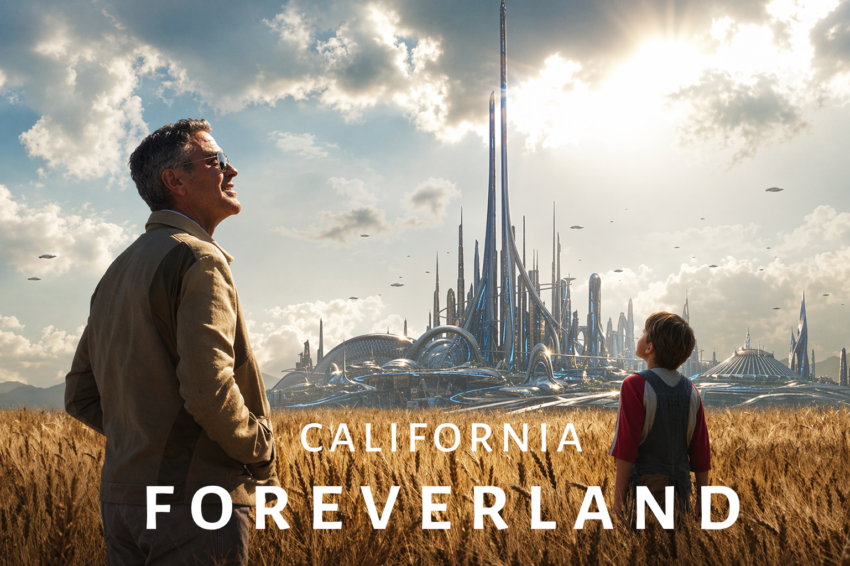
California Forever — or California Never? Why the Billionaires’ Dream City Is Already on Life Support
Image: An AI-generated image imagines California Foreverland. Rated PG for Pipe dreams and Grandiosity. Starring Jan Sramek as the visionary, 50,000 acres of farmland as the reluctant co-star, and Solano County residents as the audience that walked out. CALIFORNIA FOREVER: A Billionaire’s Blueprint on a Collision Course with Reality A Critical Examination of the East…
Bill Maher Nails It Again: The Woke Moral Time Machine Is Running on Empty
The Weight of the Past: Presentism, History, and the Danger of Judging The Dead by the Standards of the Living A Historical and Cultural Analysis There is an old Latin legal phrase—nunc pro tunc—that translates roughly as “now for then.” In courtrooms, it describes the retroactive application of a ruling. In the study of history,…
An Assessment of Mrinank Sharma’s Anthropic Departure
Photo: I know … not the best illustration for this story, but I thought it was humorous. When a Researcher Chooses Poetry Over Panic Buttons Mrinank Sharma’s resignation from Anthropic has generated predictable headlines—“World in Peril,” “Safety Lead Sounds Alarm”—that frame this as another tech whistleblower moment. The comparison to Timnit Gebru’s Google departure appears…
Don Lemon: Definitely Not a Religious Theologian.
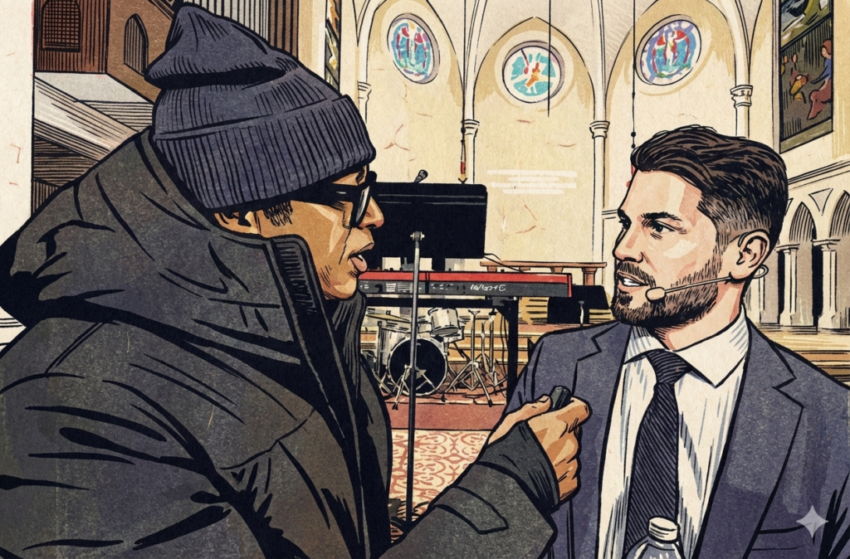
The Temple and the Sanctuary: A Theological Refutation of Don Lemon’s Comparison Why the Storming of Cities Church Bears No Resemblance to Jesus Cleansing the Temple A Theological Analysis Christian Post: Don Lemon likens church storming to Jesus cleansing temple, calls churchgoers ‘entitled’ Former CNN host Don Lemon likened his recent participation in the disruption…
The Architecture of Belief: Cultural Affiliation, Identity, and the LDS Faith
A Philosophical Exploration of How Cultural Lenses Shape Religious Identity Questions Worth Asking Series Why are you LDS? In exploring modern religions, one must consider the profound influence of cultural affiliation, particularly within the Church of Jesus Christ of Latter-day Saints, where a significant majority of American followers are born into the tradition. The 2014…
From ARPANET to AI: Why Yesterday’s Fear Shouldn’t Define Tomorrow’s Future
Did you refuse to use the Internet when it was first introduced because it was a defense-funded computer network by the U.S. military’s ARPANET? Of course not. Today, the notion seems absurd—yet many people exhibit similar resistance toward artificial intelligence, viewing it with suspicion despite its increasingly integral role in modern life. Just as the…
The Radicalization of Candace Owens: How a Conservative Rising Star Became a Conspiracy Entrepreneur
In the span of a decade, Candace Owens has completed one of the most remarkable—and disturbing—transformations in American political commentary. The woman who once electrified conservative audiences with sharp campus debates now peddles French assassination plots and Holocaust revisionism. This isn’t mere controversy. It’s a case study in how algorithmic incentives, institutional enabling, and personal…
Questioning the Reliability of Public Opinion Polls: An Investigative Perspective
Public opinion polling is a cornerstone of modern American life, deeply woven into politics, culture, and commerce. This multibillion-dollar industry collects, aggregates, analyzes, and presents what people think—not just about elections, but about consumer trends, social issues, entertainment, and more. Politicians lean on polls to gauge voter sentiment, brands use them to predict market shifts,…
The Founding and History of the Kennedy Center—A Cultural Cornerstone Born of Vision and Controversy
Against the backdrop of the John F. Kennedy Center for the Performing Arts’ uninspiring, boxy architecture—its stark marble facade and cavernous halls often criticized as dull and disconnected from Washington, D.C.’s vibrant pulse—stands a compelling case for withdrawing federal funding from this entertainment venue. While the center has long been hailed as a cultural cornerstone,…